
“Haughtiness hurts people.”

A thought by Max Lucado from his book, Because of Bethlehem (with Bonus Content): Love Is Born, Hope Is Here (p. 86). Thomas Nelson. Kindle Edition. (Click on the book title to go to Amazon.com to buy the book.)

It really does.  And for sure it doesn’t lift up people, does it?
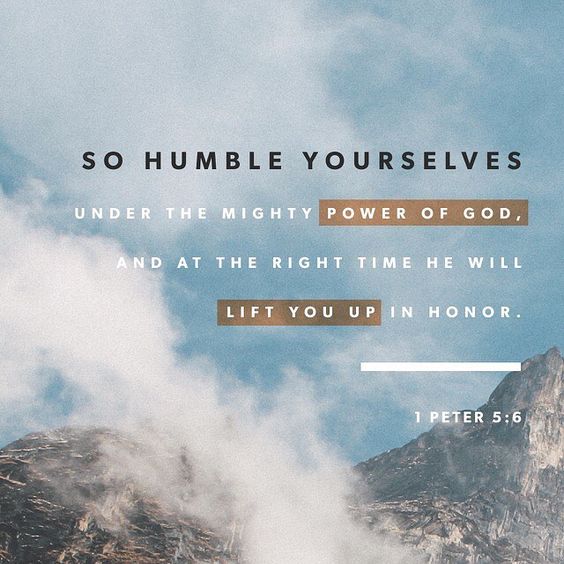
Max says, “The other day I saw some children at play on a large vacant lot where someone had dumped a mound of dirt. They were playing the greatest of kid games: King of the Mountain. The rules are as simple as they are brutal: fight your way to the top, and shove off anyone who threatens to take your spot. It was a slugfest of crawling, pushing, and falling.

“King of the Mountain is not just a kid’s game. Versions are played in every dormitory, classroom, boardroom, and bedroom. And since mountaintop real estate is limited, people get shoved around. Mark it down: if you want to be king, someone is going to suffer. Your uppitiness won’t prompt a Bethlehem massacre, but it might prompt a broken marriage, an estranged friendship, or a divided office.”

Max goes on, “’How much larger your life would be if your self could become smaller in it,’ wrote G. K. Chesterton. ‘You would break out of this tiny and tawdry theatre in which your own little plot is always being played, and you would find yourself under a freer sky.’”

Later he says, “Ponder your achievements less; ponder Christ’s more. Spend less time on your throne and more at his cross. Brag on his work, not yours. You are valuable, but you aren’t invaluable. It is Christ who matters, not us.

“Learn a lesson from the sad life of Herod. It’s always better to step down from the pedestal than to be pulled off of it. Like the innkeeper, Herod missed an opportunity to see Jesus. God did everything necessary to get Herod’s attention. He sent messengers from the East and a message from the Torah. He sent wonders from the sky and words from Scripture. He sent the testimony of the heavens and the teaching of the prophets. But Herod refused to listen. He chose his puny dynasty over Christ. He died a miserable old man.”

Max finishes this thought by saying, “Make the wiser choice. The path marked Pride will lead you over a cliff. The path marked Humility will take you to the manger of the Messiah.”


And that is where we want to go, isn’t it?

Comments

Popular posts from this blog

“We believe it’s important to derive value from everything in our lives.”

A thought by Jon Tyson from his book, The Burden Is Light: Liberating Your Life from the Tyranny of Performance and Success (p. 118). The Crown Publishing Group. Kindle Edition. (Click on the book title to go to Amazon.com to buy the book.) But is that all that is important? Jon says, “We want to realize an immediate return from whatever we invest in. I am prone to this way of thinking in so many areas of my life. ‘I paid a lot for that meal, yet the portions were not that big.’ ‘I invested two hours in that movie, and it was just okay.’   ‘I went to church, but the sermon wasn’t that profound.’ We believe it’s important to derive value from everything in our lives. But beauty doesn’t fit within that framework. When Mary anointed Jesus with oil, there was an immediate outcry against her extravagant generosity. ‘It could have been sold for more than a year’s wages and the money given to the poor.’ (Mark 14:5) One gospel depicts the disciples crying, ‘Why this waste?...

"Lie 2: The more you worry about it, the better your odds of avoiding it."

A thought by Louie Giglio in his book,   Winning the War on Worry    (p. 5). Thomas Nelson. Kindle Edition. (Click on the book title to go to Amazon to buy the book.) Here is another lie that the Enemy uses with us. And Louie says, "This is a tricky lie. Yes, we often have cause for concern and preparation. But the Enemy wants you to believe that if you worry or fret over a certain outcome long enough, you can keep something bad from happening." But this is so important to realize. He says, "The reality is worrying has never once prevented something negative from happening. Planning might. Prayer has. But worry never will." He continues, "The Enemy tells you that by worrying about a situation (or every situation) you can make your tomorrow better. Really, worry just robs you of today. Jesus implored us: 'I tell you, do not worry about your life, what you will eat or drink; or about your body, what you will wear. Is not life more than food, and the body mor...

“Hurry and love are incompatible.”

A thought by John Mark Comer from his book, The Ruthless Elimination of Hurry (p. 23). The Crown Publishing Group. Kindle Edition. (Click on the book title to go to Amazon.com to buy the book.) Wow, pretty strong thought isn’t it? John says, “All my worst moments as a father, a husband, and a pastor, even as a human being, are when I’m in a hurry—late for an appointment, behind on my unrealistic to-do list, trying to cram too much into my day. I ooze anger, tension, a critical nagging—the antitheses of love. If you don’t believe me, next time you’re trying to get your type B wife and three young, easily distracted children out of the house and you’re running late (a subject on which I have a wealth of experience), just pay attention to how you relate to them. Does it look and feel like love? Or is it far more in the vein of agitation, anger, a biting comment, a rough glare? Hurry and love are oil and water: they simply do not mix.” He goes on, “Hence, in the apostle P...