
"But don’t we all deal with being hit by compounding blows?"


A thought by Christine Cane, from her book, How Did I Get Here? (p. xxi). Thomas Nelson, Kindle Edition.  (Click on the book title to go to Amazon to buy the book.)

And that would be a yes, wouldn't it? 

Christine says, "
Don’t we all lose loved ones? Don’t we all grow weary in our callings and careers? Don’t we all experience disappointments? And struggle with being disillusioned? Don’t we all want to walk away from time to time?"

She goes on, "Truth be told, I’ve lost count of the number of times I thought of walking away from it all and opening a small café in Santorini, Greece. Just Nick and me and our girls tucked away in my favorite corner of the world. Can’t you picture me suggesting another cup of coffee to go with your baklava? I imagine we all run to our own little escape destinations in our minds. To the lives we thought we might have but never will. Because deep down we love Jesus and his plans more."

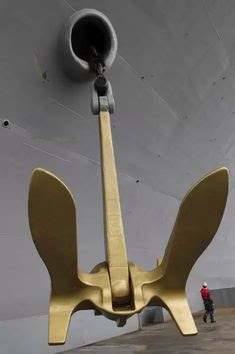
She then says, "Instead of letting myself go there this time, I turned and faced the journey ahead of me—one I had never anticipated. I found myself in a place where I wanted to take cover more than I wanted to take ground. Where I didn’t feel that I had the strength, courage, or confidence to keep going. And yet, at the same time, I knew I would. Jesus had always been the anchor of my soul, so I would find what I needed where I always had—in him."

And that is so true, isn't it? Yes, yes! #continuethought


Comments

Popular posts from this blog

“Hurry and love are incompatible.”

A thought by John Mark Comer from his book, The Ruthless Elimination of Hurry (p. 23). The Crown Publishing Group. Kindle Edition. (Click on the book title to go to Amazon.com to buy the book.) Wow, pretty strong thought isn’t it? John says, “All my worst moments as a father, a husband, and a pastor, even as a human being, are when I’m in a hurry—late for an appointment, behind on my unrealistic to-do list, trying to cram too much into my day. I ooze anger, tension, a critical nagging—the antitheses of love. If you don’t believe me, next time you’re trying to get your type B wife and three young, easily distracted children out of the house and you’re running late (a subject on which I have a wealth of experience), just pay attention to how you relate to them. Does it look and feel like love? Or is it far more in the vein of agitation, anger, a biting comment, a rough glare? Hurry and love are oil and water: they simply do not mix.” He goes on, “Hence, in the apostle P...

"Lie 2: The more you worry about it, the better your odds of avoiding it."

A thought by Louie Giglio in his book,   Winning the War on Worry    (p. 5). Thomas Nelson. Kindle Edition. (Click on the book title to go to Amazon to buy the book.) Here is another lie that the Enemy uses with us. And Louie says, "This is a tricky lie. Yes, we often have cause for concern and preparation. But the Enemy wants you to believe that if you worry or fret over a certain outcome long enough, you can keep something bad from happening." But this is so important to realize. He says, "The reality is worrying has never once prevented something negative from happening. Planning might. Prayer has. But worry never will." He continues, "The Enemy tells you that by worrying about a situation (or every situation) you can make your tomorrow better. Really, worry just robs you of today. Jesus implored us: 'I tell you, do not worry about your life, what you will eat or drink; or about your body, what you will wear. Is not life more than food, and the body mor...

“The gospel is good news, not good advice.”

A thought by Timothy Keller (2016-10-25) from his book, Hidden Christmas: The Surprising Truth Behind the Birth of Christ (p. 21). Penguin Publishing Group. Kindle Edition. (Click on the title to go to Amazon.com to buy the book.) I’m glad you stopped to catch a glimpse of what this thought really means. Tim says, “Advice is counsel about what you must do. News is a report about what has already been done. Advice urges you to make something happen. News urges you to recognize something that has already happened and to respond to it. Advice says it is all up to you to act. News says someone else has acted.” He then gives an illustration, “Let’s say there is an invading army coming toward a town. What that town needs is military advisers; it needs advice. Someone should explain that the earthworks and trenches should go over there, the marksmen go up there, and the tanks must go down there.”   That’s advice He goes on, “However, if a great king has intercepted and ...